
Should You Soak Fruits and Vegetables Before Eating?
Why soak fruits and vegetables before eating, and when can quick rinsing be safer and cleaner than soaking for reducing surface germs?

Why soak fruits and vegetables before eating, and when can quick rinsing be safer and cleaner than soaking for reducing surface germs?

A quick guide to cleaning produce without dish soap—learn how rinsing, gentle scrubbing, and proper drying reduce contamination, so you’ll get safer results next.

D**ry produce safely after washing by patting, sanitizing tools, or using a salad spinner—learn which method prevents bruising and spoilage for each type.

O**verrinsing produce too early can trap moisture and microbes, causing faster spoilage and potential contamination—wash right before eating for safer freshness.

Swerve mushiness by rinsing grapes gently under cool, low-pressure water, keeping skins intact—because the next step decides how long they stay crisp.
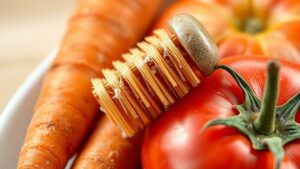
Ditch the squishy scrub—on firm fruits and vegetables, stiffer bristles resist bending, lifting grime with steadier shear so you’ll want to keep reading.
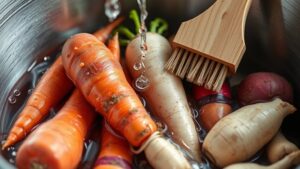
A quick cool-water rinse and gentle scrubbing can remove grit fast from root vegetables—yet one overlooked step can make your cooking taste significantly better.
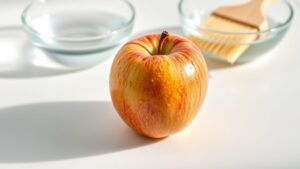
Gently rinse and lightly brush apples under cool water to remove residues without bruising skin—discover the safest steps for spotless fruit.

Unsurprisingly, plain water often fails to remove wax because wax repels water, and its hydrophobic film resists penetration, so you’ll need better methods.

M**ake fresh produce safer with the right rinse time—learn why leafy greens and berries need different durations to avoid turning mushy.