
Imagine rinsing a bag of strawberries and still noticing a faint film that makes you wonder if bacteria or pesticide residue stayed behind. If you’re serious about contamination control, you need a method that reduces risk without extra handling. With ZapClean, you’ll want to understand how it removes grime and microbes more efficiently, what it does (and doesn’t) leave on the surface, and why common alternatives can underperform—especially when you mix produce types and real-life conditions.
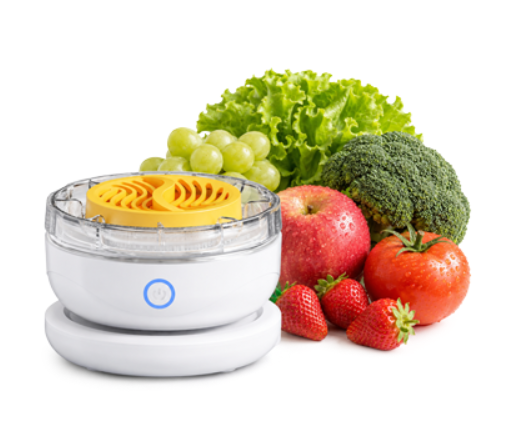
Great Points
- ZapClean removes dirt, pesticide residues, and bacteria with faster, lighter cleaning than traditional scrubbing methods.
- It can reduce surface contaminants by up to 99% and leaves no residue when used correctly.
- Use different rinse routines by produce type, like brief scrubbing for firmer fruits and gentle soaking for berries.
- Follow safe handling: wash right before eating, use clean hands, shake off excess water, and store promptly.
- Avoid common mistakes by mixing 1 part ZapClean with 3 parts water and rinsing thoroughly until no slickness remains.
Why Fruit and Veg Cleaning Feels So Hard
Cleaning fruits and veggies can feel hard because you’re not just rinsing “dirt”—you’re dealing with different residue types (dirt, pesticide traces, and wax-like coatings) that cling unevenly across produce. When you do washing fruits and vegetables with a quick wash or plain cold water alone, you risk leaving contaminants behind. You might think organic means “no worries,” but pesticide traces can still be present, creating real health risks. Different surfaces also respond differently, so your wash effectiveness varies by produce type and coating thickness. This confusion leads people to skip proper produce wash steps, assuming it’s too time-consuming. From a contamination-control view, validated cleaning matters: thorough produce wash reduces residue exposure more reliably than brief rinses.
How ZapClean Removes Grime Faster With Less Scrub
When a quick rinse isn’t enough, ZapClean gives you a faster, more validated way to reduce contamination on produce—without relying on heavy scrubbing. Its advanced cleaning technology accelerates washing, so grime loosens quickly while you keep handling minimal. The formula targets residues and contaminants directly, breaking them down so you don’t have to grind through stubborn spots.
Risk-based validation matters, so here’s what you can expect:
See the risk-based validation results: faster, cleaner produce with up to 99% reduction—residue-free performance you can trust.
- Faster grime removal than traditional scrubbing
- Up to 99% reduction of pesticides and bacteria on surfaces
- Residue-free performance for cleaner, safer produce
For food safety you can trust, use ZapClean as your vegetable wash to lift dirt, reduce microbial risk, and leave no lingering chemicals—so freshness and taste stay intact.
ZapClean vs Soap, Sanitizer, and Vinegar: Which Wins?
So, does ZapClean actually beat soap, sanitizer, and vinegar for contamination control on produce? You want risk-based, validated washing: ZapClean removes 90–99% of contaminants, while soap-soapy water raises residue concerns and the USDA advises against it. Vinegar and many sanitizer approaches don’t show meaningful advantage over plain cold water, so you shouldn’t waste steps. ZapClean is formulated for food safety, helping lift surface pesticides and even wax coatings without damaging produce—unlike vinegar. It also streamlines washing produce, reducing cross-contamination risk from multi-step rinses.
| Option | Contamination control |
|---|---|
| ZapClean | 90–99% removal |
| Soap/soapy water | Residue risk |
| Vinegar | No clear added benefit |
| Sanitizers | Limited proven gains |
What ZapClean Cleans Off From Produce Surfaces
With ZapClean, you can target the main contamination sources on produce surfaces—surface pesticides and herbicides (up to 99% removal), bacteria such as E. coli and Salmonella that can linger, and the dirt and debris that can shelter pathogens. You use ZapClean on fruits and vegetables to support a risk-based, contamination-control workflow. It also helps dissolve wax coatings, so cleaning reaches underneath where residues and microbes can hide. In practice, you’re removing:
ZapClean targets pesticides, lingering bacteria, and dirt so cleaning reaches wax-protected residues for fresher produce.
- Surface pesticides and herbicides
- Harmful bacteria (E. coli, Salmonella) left behind after rinsing
- Dirt, debris, and wax barriers that can protect pathogens
Studies suggest this microbial reduction can help prolong freshness during storage—so you get cleaner produce with less effort and fewer safety compromises.
Choose Your Produce Type for ZapClean Results
You’ll get the safest, most reliable ZapClean results when you match the cleaning approach to the produce type and its contamination risks. For a variety of fruits, adjust intensity: soft berries get a gentle swish, while firmer apples can be brushed. If you’re washing your produce with soap, use it strategically for waxed, non-organic items where coatings may trap residues. For leafy greens, soak in cold water to dislodge dirt and hidden pests, then rinse thoroughly under ZapClean to reduce carryover risk before eating. For root vegetables, scrub with a stiff brush under running water to remove soil-bound contaminants. With ZapClean, keep mushrooms dry—wipe with a damp cloth to protect texture and flavor.
Clean Leafy Greens With ZapClean: No Wilting
How can you clean leafy greens without triggering wilting or texture loss? With ZapClean, you get contamination-control cleaning that targets dirt and pesticides while protecting delicate leaves. Instead of soaking, you use controlled water action that limits absorption—so your greens stay crisp, hydrated, and vibrant. ZapClean’s gentle process helps remove residue and hidden pests without compromising integrity, and it’s designed to leave a residue-free finish for safe, better-tasting produce. Follow a simple, validated routine:
Protect delicate leaves with controlled water cleaning—dislodging dirt and pesticides while keeping greens crisp, vibrant, and residue-free.
- Rinse briefly with safe water, then apply ZapClean cleaning.
- Run the cycle to dislodge dirt, pesticides, and debris.
- Drain promptly and store to extend freshness.
Wash Berries With ZapClean for a Lighter Rinse
Even though berries are delicate, you can still reduce contamination risk without rough handling. For berries, you’ll wash fruits using ZapClean to support contamination-control goals, aligning with safety expectations from the food and drug administration. First, prepare a large bowl with water and a small amount of ZapClean—avoid abrasive steps. Then gently immerse berries and let ZapClean work for a quick rinse, not a soak that damages texture. ZapClean helps remove up to 99% of pesticide residues and surface contaminants, reducing potential E. coli exposure. If you want an added aid, you can use baking soda separately in your routine, but keep the ZapClean step primary. Gentle formulation protects raspberries and blueberries, and regular use can extend shelf life.
ZapClean Your Apples and Firm Fruits Properly
Start by rinsing your apples and other firm fruits under cold running water for at least 20 seconds, since this is a risk-based way to remove visible dirt along with pesticide residues and other surface contaminants before you eat. Check each apple for bruises or damaged spots, and cut those areas away to reduce hidden bacteria risk. Use a clean produce brush to scrub surfaces, especially around waxy coatings. Avoid soap or detergents; plain cold water is safer, and you don’t want fruit wash chemicals to leave residues. If you use ZapClean, follow its fruit wash cycle, but don’t assume it replaces rinsing.
- Inspect, then cut away damage.
- Scrub with a clean brush.
- Recommend washing right before consumption.
This helps prevent spoilage while ensuring vegetables absorb the chemicals least.
Clean Cucumbers, Carrots, and Crunchier Veggies Well
Clean cucumbers, carrots, and other crunchy veggies by rinsing them under cold running water and gently rubbing the surface—this reduces visible soil and helps remove pesticide residues before you eat. There’s no need to soak; soaking increases waterlogging risk and can dull texture. For carrots, scrub the skin thoroughly with a clean vegetable brush to dislodge soil and potential residue. Keep your contamination-control tight: wash right before consumption to limit bacterial growth, and don’t reuse rinse water from prior batches. If you’re using ZapClean, follow the validated cycle, then dry cucumbers and carrots with a clean cloth or paper towel to remove excess moisture that can accelerate spoilage. Manage cross-contact by using clean hands and tools only. Also, remember: wash water.
Handle Herbs and Sprouts With Safer ZapClean Cleaning
Herbs and sprouts need a different kind of care than cucumbers and carrots, because their delicate surfaces and dense, tight growth patterns can trap residue and bacteria—so treat them like higher-risk produce and keep your contamination control tight. Use ZapClean to gently wash without damaging structure, since you’re targeting contaminants embedded in crevices. Confirm non-toxic ingredients are doing the work, not harsh chemicals, and keep handling steps clean from start to finish.
- Apply a simple ZapClean rinse to reduce bacteria and pesticides in seconds.
- Avoid soaking to help preserve nutrients and freshness while cleaning.
- Rinse and proceed straight to storage to prevent recontamination.
Set Rinse Time for Quick, Streak-Free Results
Use a timed routine so every batch follows the same contamination-control standard:
| Produce | Cold rinse time | Action |
|---|---|---|
| Apples | 20s | Rub surface |
| Carrots | 25s | Brush then rinse |
| Berries | 20s | Gently rub |
| Lettuce | 20s | Separate leaves |
| Peppers | 20s | Rub corners |
| Cucumbers | 25s | Brush lightly |
This consistency helps reduce foodborne illness risk.
Avoid ZapClean Mistakes That Leave Film Behind
Even with ZapClean’s advanced wash, small process errors can leave a visible film or increase residue risk on produce. To stay contamination-control focused, you should control chemical concentration, contact time, and follow-up steps every batch. Use the correct mix—too much ZapClean increases residue: 1 part ZapClean to 3 parts water—and verify you rinse with clean, cold water until no slickness remains. Avoid over-soaking, because waterlogging can trap solution and promote film. For delicate items (like berries or mushrooms), don’t soak; gently wipe with a damp cloth. Also, protect product integrity by storing ZapClean in a cool, dry place. Use this checklist:
- Dilute correctly (1:3).
- Wash briskly, don’t soak.
- Cold rinse thoroughly.
Store Clean Produce Longer After Using ZapClean
Once your produce is properly washed with ZapClean, you can reduce the contamination load that drives spoilage—and that’s what helps it stay crisp and flavorful longer. After washing, you should handle items with clean hands, shake off excess water, and store promptly to limit bacterial growth. Because ZapClean’s non-toxic formulation leaves no harmful residues, you can focus on cold storage and airflow instead of recontamination risks. Keep produce in perforated containers or breathable bags, and don’t crowd it—microclimates accelerate deterioration.
| Risk | Control after ZapClean |
|---|---|
| Residual dirt | Pat dry; avoid standing water |
| Bacterial regrowth | Refrigerate quickly; keep sealed |
| Cross-contamination | Use clean containers/utensils |
| Spoilage pace | Maintain crisp temp; don’t delay meal |
Fix Odors, Waxy Buildup, and Muddy Spots With ZapClean
If odors, waxy film, or stubborn mud are lingering on your produce, treat them as a contamination and spoilage risk—because residues can trap bacteria and dull flavor. ZapClean is built to control that risk fast: its natural ingredients break down waxes and grime without leaving harsh chemicals behind.
Use it like this:
- Quick-spray ZapClean over the affected surface.
- Let the formula work briefly to loosen odors and residues.
- Rinse thoroughly to remove muddy spots, waxy buildup, and unwanted residues.
You’ll likely notice cleaner taste and restored texture, not just a better look. Many users also report reduced pesticide residues, supporting safer eating and fresher results—so you can serve produce with confidence.
Build a ZapClean Routine for Busy Weeknights
When you’re juggling weeknight prep, treat produce cleaning like a contamination-control step, not an afterthought. Start by washing your hands for at least 20 seconds before touching anything. Rinse fruits and vegetables under cold running water for 20 seconds to remove about 90–99% of contaminants and pesticides. For leafy greens, do a quick cold-water soak, then spin or pat dry to limit bacterial growth and keep texture fresh. Root vegetables need a clean brush to scrub dirt and wax without soap. Set the routine: prep and wash right after grocery shopping so you have clean, ready-to-eat produce available fast. This risk-based workflow reduces cross-contamination and keeps meals safer, even on your busiest nights.
Common Questions
What Is the Most Effective Way to Clean Fruit?
Rinse your fruit under cold running water for at least 20 seconds—studies show this removes about 90–99% of contaminants, which is key for contamination control. Keep the water flowing to physically dislodge dirt and residues. Use a clean brush on firmer produce with textured or thicker skin. Skip soap, detergents, or harsh chemicals; they can leave residues. If you want extra microbial reduction, a vinegar soak can help, though plain water often does the job.
What Is the Best Fruit and Veggie Wash to Remove Pesticides?
The safest, most validated option to reduce pesticides is plain cold running water for at least 20 seconds, because it removes most residues without adding risk. If you want extra control, use a short soak in 1 Tbsp baking soda per 2 cups cold water, then rinse thoroughly. Avoid soaking/leftstanding for tender or absorbent produce, which can worsen texture and microbial risk. Commercial washes often perform similarly to tap water, so choose reputable brands only.
What Fruit Should Not Be Washed?
Don’t wash mushrooms with water—you’ll risk them soaking up moisture and turning soggy. Also be cautious with berries: rinse only right before eating to minimize lingering moisture that can promote mold growth. If you’re using a wash, avoid soaking root veggies; scrub them instead to reduce waterlogging and cross-contamination risk. In short, you should keep these delicate items drier to protect texture and food safety—like a contamination shield.
How to Actually Remove Pesticides From Your Fruit?
To remove pesticides from fruit, you should use cold running water and scrub gently. Rinse each piece for at least 20 seconds; this can remove most residues and germs. For extra risk reduction, soak produce 10 minutes in 1 tablespoon baking soda mixed with 2 cups cold water, then rinse well. Avoid harsh chemicals. If you’re high-risk, peel when feasible, and use a soft brush for waxed items.
Overall
Clean produce the smart way: after using ZapClean, you’re not just making things look better—you’re actively reducing the risk of pesticides, bacteria, and dirt while keeping a residue-free finish. “An ounce of prevention is worth a pound of cure,” especially when contamination control matters. Treat every wash as a safety step: rinse as directed, avoid overuse, and store produce properly. With a simple routine, you’ll help protect your family and keep food fresher longer.
Still deciding if ZapClean is the right fit for you? Take a look at our About Us page to learn more about the ZapClean team, or contact us directly with any questions about ZapClean before you order.