
Why Sealed Containers Can Sometimes Speed Up Spoilage
G**iven trapped heat, humidity, and condensation, sealed containers can keep food in risky temperatures longer, making spoilage happen faster—learn how next.

G**iven trapped heat, humidity, and condensation, sealed containers can keep food in risky temperatures longer, making spoilage happen faster—learn how next.
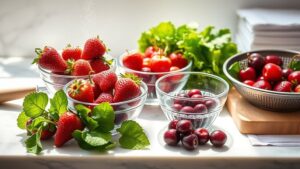
M**ake fresh produce safer by storing properly, washing right before eating, and preventing cross-contamination, but there’s a crucial detail experts say you shouldn’t miss.
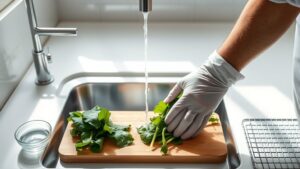
Keen to build a safer produce-cleaning routine that cuts cross-contamination and illness risk—discover the exact steps for leafy greens and pre-cut items next.

C**lean-looking fresh produce can still carry hidden soil and pathogens in microscopic crevices after handling—so keep reading to learn what actually works.
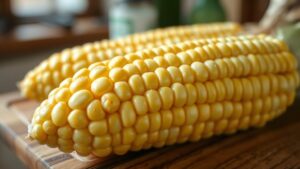
Puzzled by “clean” corn? Quick rinsing removes gritty residue, dust, and handling debris from kernels—so keep reading to protect flavor and safety.
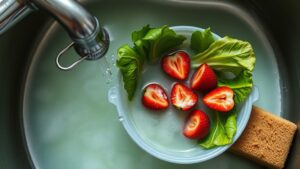
Why reusing produce rinse water is risky because hidden microbes and grime can build up and spread to fresh fruits and vegetables.
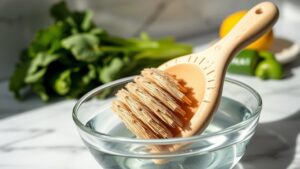
Keen to prevent cross-contamination—how often should you clean your produce brush, and what schedule keeps microbes from hitchhiking on your next wash?

B**y separating raw meat tools from ready-to-eat surfaces and sanitizing between steps, you stop hidden germs from spreading—keep reading for the exact protocol.
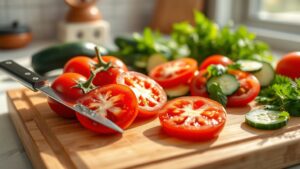
L**ess cross-contamination starts with the right cutting board when prepping fresh produce—discover how proper cleaning routines can protect you and your meals.

To prevent bacteria from produce skin hitchhiking onto your knife, learn where smears and contact spread happen—then see how to stop them.