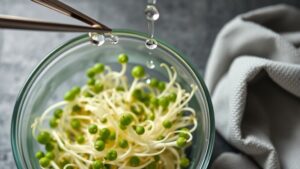
How to Wash Sprouts With Extra Care
Washing sprouts with extra care means sanitizing hands, rinsing gently, and draining well to prevent hidden microbes from spreading—why risk it? Read more to learn safe storage.

Washing sprouts with extra care means sanitizing hands, rinsing gently, and draining well to prevent hidden microbes from spreading—why risk it? Read more to learn safe storage.

Uncover safer ways to handle fresh herbs by washing, drying, and storing them properly to reduce contamination—plus how to spot spoilage before it spreads.
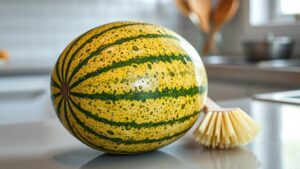
Slicing into an unwashed melon can transfer germs from the dusty rind to the juicy flesh, so wash first—what else could you miss?

Grinding contaminated rinse water into splashes at the kitchen sink spreads E. coli and Salmonella onto tools and dishes, so read on to prevent it.

G**rowing moisture keeps produce surfaces wet, waking microbes and cutting shelf life by 20–40%, but what triggers the fastest decay next? Read on to find out.

Keenly learn safe ways to wash strawberries before eating—rinsing correctly removes surface grime and microbes, but what should you avoid afterward?
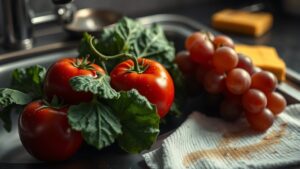
L**osing track of safe produce cleaning—like using hot rinses or dirty sponges—can spread microbes and boost foodborne risk; read on to avoid it.

H**ave you wondered if organic produce truly stays germ-free, and why washing still matters for safety before eating—especially for vulnerable people.