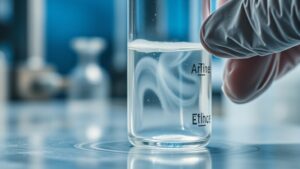
What Is Ethylene Gas and Why Does It Matter?
Oxygen isn’t the only gas shaping produce—ethylene accelerates ripening and spoilage, so understanding its control is crucial for quality and safety compliance.

Oxygen isn’t the only gas shaping produce—ethylene accelerates ripening and spoilage, so understanding its control is crucial for quality and safety compliance.

Why do some fruits trigger neighbors to ripen faster? Ethylene gas speeds enzymes and flavor chemistry, but the storage conditions that intensify it will surprise you.
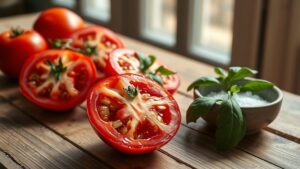
For flavor’s sake, tomatoes chilling slows ripening and dulls aroma, sometimes harming texture—so keep reading to learn the best storage method.

W**hy strawberries spoil so fast: quick respiration and bruising let microbes invade sooner, so a single handling mistake can shorten shelf life dramatically.

Great question: High-humidity drawers keep produce crisp while low-humidity drawers prevent mold—learn what belongs where so your food lasts longer.

Just like airflow steadies temperature and humidity, it curbs condensation and CO₂ buildup—so fruit ripens evenly and lasts longer, but there’s more to optimize.
A guide to Natural Wax vs Added Wax on Produce explains how their origins affect moisture, volatiles, and labeling—so you can choose smarter, safer coatings.

J**ust one rough impact can bruise raspberries like fragile glass, triggering microcracks and rapid spoilage—so keep reading to learn how.

Crops are higher-risk because porous skins trap pathogens and handling spreads them, so what safeguards truly prevent outbreaks?

Keen to know what pesticide residues mean on fresh produce, beyond “washed” labels, testing limits, and how exposure varies—read more to protect yourself.