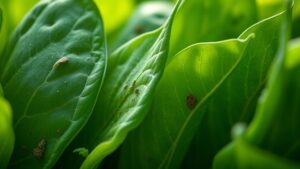
Why Dirt Hides So Easily in Leafy Vegetables
Crinkles and tiny hairs trap stubborn soil on leafy greens, and moisture helps microbes linger—so learn the safest washing steps before eating.

Crinkles and tiny hairs trap stubborn soil on leafy greens, and moisture helps microbes linger—so learn the safest washing steps before eating.

Nestle broccoli and cauliflower in salted water 15–30 minutes, then rinse and swish well to dislodge grit—stay tuned for the quickest method.
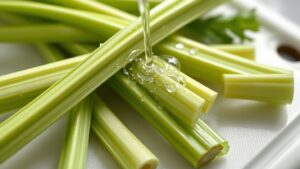
Just rinse celery upright, scrub crevices, and pat dry to remove grit hiding between stalks—because skipping this makes every bite less fresh.

Grime, wax, and pesticide residues can cling to citrus peels even when organic, so wash before zesting to reduce transfer risks—keep reading to learn how.

How to Clean Avocados Before Slicing: Learn quick rinse, scrubbing, and knife safety steps to reduce surface contamination—discover the best method next.

Toss aside the “wash it first” rule—if your banana peel acts like a shield, what you do after peeling may matter more than rinsing.
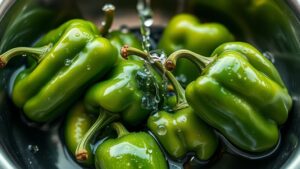
Washing peppers around stems and crevices takes careful rinsing and gentle scrubbing to prevent hidden grit from ruining your next bite—keep going to learn the steps.
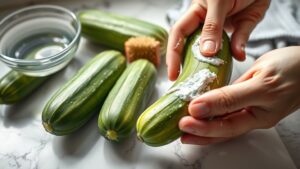
How to clean cucumbers with waxy skins using cool running water and gentle scrubbing—plus the smartest step if residue won’t budge.
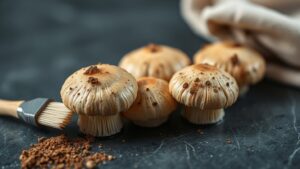
I nailing mushroom cleaning matters because they absorb water fast, turning your pan steamy and dulling flavor and texture—so what should you do when dirty?
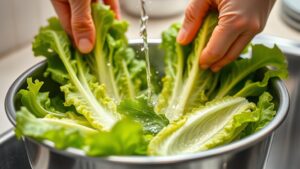
Tame lettuce wilting by rinsing with cool water, swishing gently, and drying quickly—discover the exact technique to keep crisp leaves.