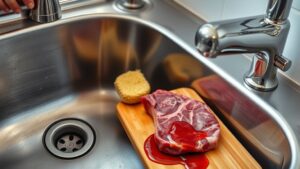
Why Cross-Contamination Starts at the Kitchen Sink
Grinding contaminated rinse water into splashes at the kitchen sink spreads E. coli and Salmonella onto tools and dishes, so read on to prevent it.

Grinding contaminated rinse water into splashes at the kitchen sink spreads E. coli and Salmonella onto tools and dishes, so read on to prevent it.
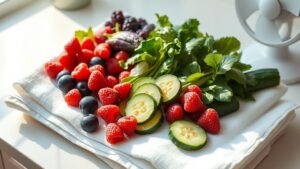
D**ry produce safely after washing by patting, sanitizing tools, or using a salad spinner—learn which method prevents bruising and spoilage for each type.
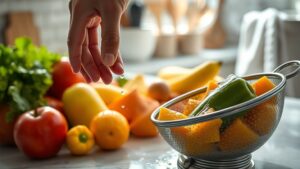
O**verrinsing produce too early can trap moisture and microbes, causing faster spoilage and potential contamination—wash right before eating for safer freshness.

Keen to know what pesticide residues mean on fresh produce, beyond “washed” labels, testing limits, and how exposure varies—read more to protect yourself.

Keenly learn safe ways to wash strawberries before eating—rinsing correctly removes surface grime and microbes, but what should you avoid afterward?
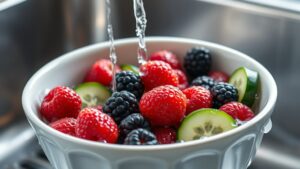
M**ake fresh produce safer with the right rinse time—learn why leafy greens and berries need different durations to avoid turning mushy.
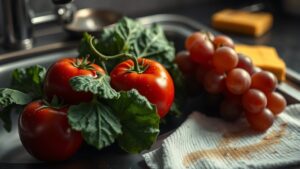
L**osing track of safe produce cleaning—like using hot rinses or dirty sponges—can spread microbes and boost foodborne risk; read on to avoid it.
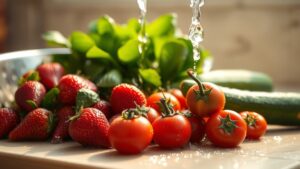
H**ave you wondered if organic produce truly stays germ-free, and why washing still matters for safety before eating—especially for vulnerable people.
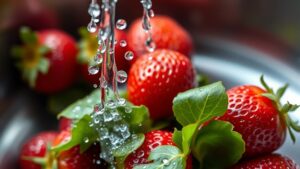
Cleansing produce under a faucet mainly removes loose debris and some surface residues, but rinsing can’t guarantee what’s inside, so read more.
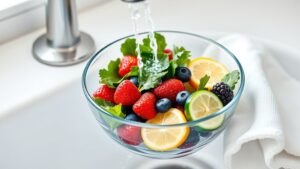
Just rinsing isn’t enough; learn the right wash times and drying steps to remove hidden contaminants without leaving residues behind.