
Like a clean slate for your produce, the right vegetable wash in 2027 can help you start with confidence. You’ll want to compare ingredients, certifications, and how each formula performs on different fruits and veggies. Organic options such as Fit Organic and 365 are strong contenders, while Koala Eco’s mandarin oil and Renovera’s concentrated approach add distinct benefits. But the best choice depends on what you’re trying to fix—so you’ll want to weigh a few key factors first.
Great Points
- Prioritize USDA Organic or similarly verified certifications to ensure ingredient purity and compliance with synthetic pesticide and GMO restrictions.
- Compare effectiveness claims on wax and pesticide residue, favoring products with independent testing or clearly stated performance metrics.
- Consider rinse and taste/aftertaste requirements, since stronger formulas may need thorough rinsing to avoid lingering residue.
- Evaluate application fit—soak versus spray—and choose based on your produce types, batch size, and time constraints.
- Look for eco and ethical factors like cruelty-free certifications, biodegradable/plant-based ingredients, and recycled or low-impact packaging.
| Fit Organic Soaker Produce Wash 32 Oz | 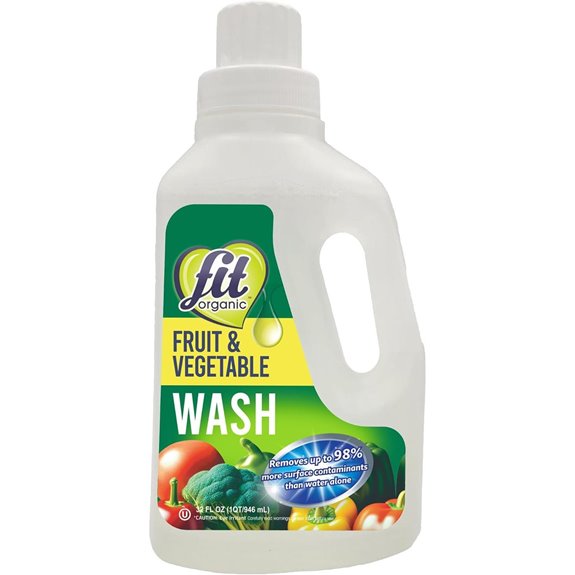 | Best Organic Choice | Fruit/Vegetable Use: Fruit & vegetable cleaner | USDA Organic: USDA Certified Organic | Soak/Rinse Method: Soak a few minutes, then rinse | VIEW LATEST PRICE | Read Our Analysis |
| Koala Eco Fruit & Vegetable Wash with Mandarin | 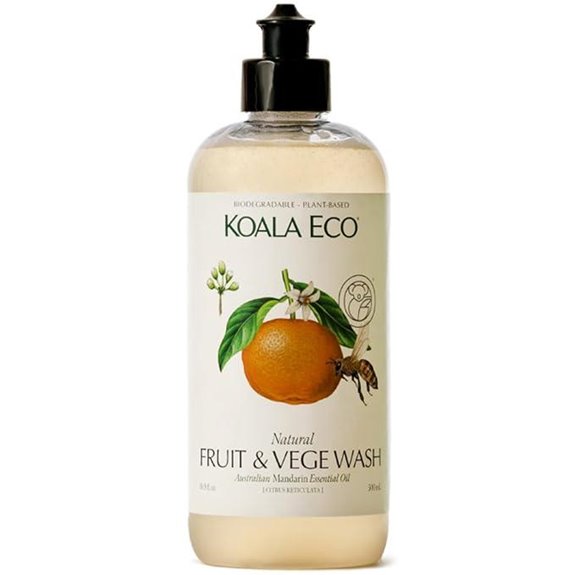 | Best Citrus Scent | Fruit/Vegetable Use: Fruit & vegetable wash | USDA Organic: Not stated | Soak/Rinse Method: Wash, then rinse under clean water | VIEW LATEST PRICE | Read Our Analysis |
| Fit Organic Produce Wash Soaker Cleaner 2-Pack | 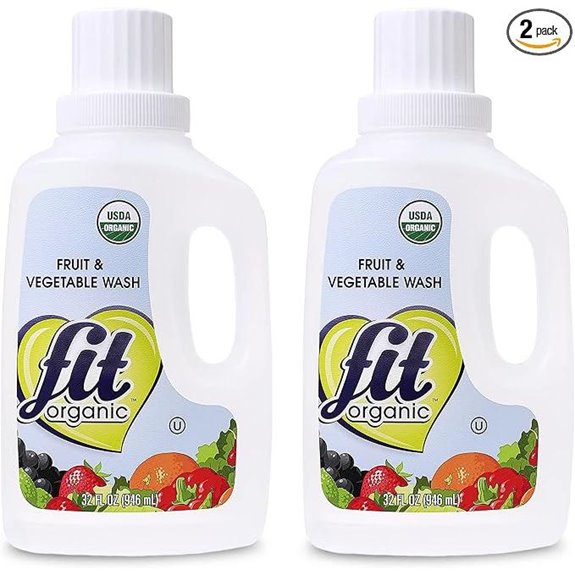 | Best 2-Pack Value | Fruit/Vegetable Use: Produce wash/soaker | USDA Organic: USDA Certified Organic | Soak/Rinse Method: Soak a few minutes, then rinse | VIEW LATEST PRICE | Read Our Analysis |
| 365 by Whole Foods Market Organic Fruit & Vegetable Wash 16 Fl Oz | 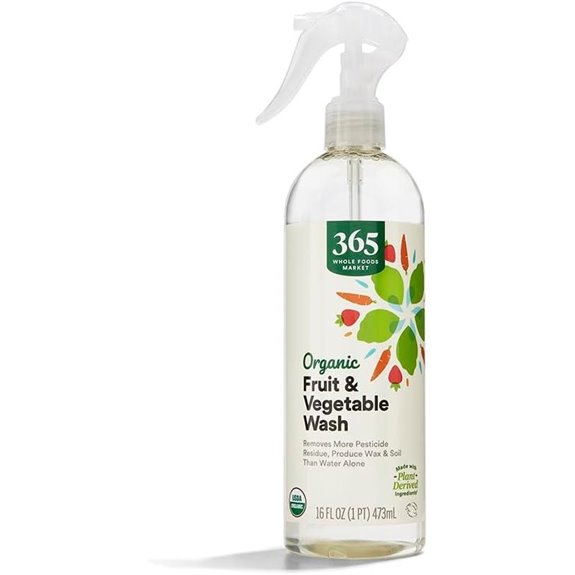 | Best Everyday Buy | Fruit/Vegetable Use: Fruit & vegetable wash | USDA Organic: USDA Organic | Soak/Rinse Method: Clean produce (then use as designed; rinse implied) | VIEW LATEST PRICE | Read Our Analysis |
| Renovera Fruit & Vegetable Wash for Produce Freshness | 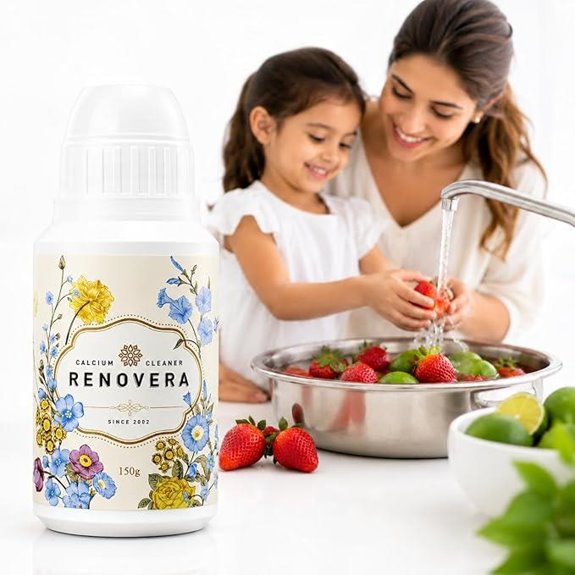 | Longest Freshness Support | Fruit/Vegetable Use: Fruit & vegetable wash | USDA Organic: Not stated | Soak/Rinse Method: Soak/use then rinse (implied by “clear residues” use) | VIEW LATEST PRICE | Read Our Analysis |
| Veggie Wash Organic Fruit and Vegetable Wash 16 Fluid Ounce Pack of 3 | 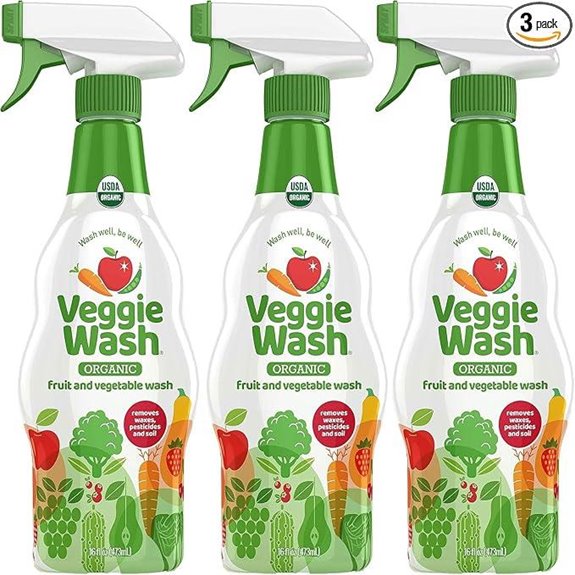 | Best USDA Certified Organic | Fruit/Vegetable Use: Organic fruit & vegetable wash | USDA Organic: USDA Certified Organic | Soak/Rinse Method: Spray/soak, then rinse | VIEW LATEST PRICE | Read Our Analysis |
| Purely Essential Fruit & Vegetable Wash Natural Produce Cleaner 16 Fl Oz | 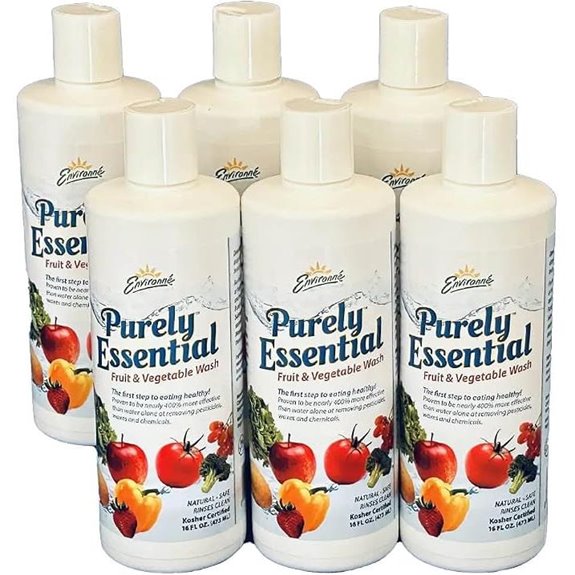 | Best Plant-Powered Cleanser | Fruit/Vegetable Use: Fruit & vegetable wash | USDA Organic: Not stated | Soak/Rinse Method: Massage/swish, then rinse | VIEW LATEST PRICE | Read Our Analysis |
More Details on Our Top Picks
Fit Organic Soaker Produce Wash 32 Oz
If you want a cleaner, worry-free way to refresh produce, this best organic choice Fit Organic Soaker Produce Wash is a USDA Certified Organic and Kosher liquid. You mix one capful per half gallon of water, soak fruits and veggies for a few minutes, then rinse. You get chemical-free help removing surface contaminants from berries, leafy greens, and firm vegetables, whether you use it as a soak or a spray. Fit Organic uses natural, wholesome ingredients with no artificial chemicals or animal by-products. It’s cruelty-free too, Leaping Bunny certified, and safe for families and pets.
- Fruit/Vegetable Use:Fruit & vegetable cleaner
- USDA Organic:USDA Certified Organic
- Soak/Rinse Method:Soak a few minutes, then rinse
- Non-Toxic / Chemical-Free Claims:Chemical-free, artificial-chemical free
- Rinsing Required:Rinse after soaking
- Certified / Ethical Standards:Kosher; Leaping Bunny; USDA Organic
- Additional Feature:Nielsen #1 market leader
- Additional Feature:Leaping Bunny cruelty-free
- Additional Feature:No expiration date
Koala Eco Fruit & Vegetable Wash with Mandarin
Meet Koala Eco Fruit & Vegetable Wash with Australian Mandarin Essential Oil—your clearest route to that bright, citrus scent while you clean. You add 2-3 squirts to half a sink of cold water, then wash fruits and vegetables to lift residual oils, waxes, and dirt. You rinse under clean water so you don’t get any unpleasant aftertaste, letting produce return to its natural state. For best results, dry thoroughly to keep firmness and freshness. Avoid eyes and ingestion, and do a patch test first. It comes in a 24oz bottle and uses 100% post-consumer recycled packaging from a family-owned team started in 2017.
- Fruit/Vegetable Use:Fruit & vegetable wash
- USDA Organic:Not stated
- Soak/Rinse Method:Wash, then rinse under clean water
- Non-Toxic / Chemical-Free Claims:No harsh residues taste; gentle formula (no “chemical-free” stated)
- Rinsing Required:Rinse to remove residue
- Certified / Ethical Standards:Environmental/recycling focus; certifications not stated
- Additional Feature:Australian mandarin essential oil
- Additional Feature:100% post-consumer bottles
- Additional Feature:Family-owned since 2017
Fit Organic Produce Wash Soaker Cleaner 2-Pack
Rely on Fit Organic Produce Wash Soaker Cleaner for a cleaner rinse—this 2-pack value makes everyday produce care easier. You mix one capful into water, then soak fruits and veggies for a few minutes. The tasteless, odorless, chemical-free formula reaches nooks and crannies to lift waxes, pesticides, and lingering residues. You rinse afterward, leaving apples, leafy greens, and berries fresh, safe, and ready to eat. It’s USDA Certified Organic and Kosher, made from wholesome plant-based ingredients. You get vegan, cruelty-free, food-grade quality that won’t spoil, with no artificial additives or allergens.
- Fruit/Vegetable Use:Produce wash/soaker
- USDA Organic:USDA Certified Organic
- Soak/Rinse Method:Soak a few minutes, then rinse
- Non-Toxic / Chemical-Free Claims:Tasteless/odorless, chemical-free
- Rinsing Required:Rinse after soaking
- Certified / Ethical Standards:USDA Organic; Kosher; Vegan; cruelty-free
- Additional Feature:Tasteless and odorless
- Additional Feature:Vegan and cruelty-free
- Additional Feature:Food-grade plant ingredients
365 by Whole Foods Market Organic Fruit & Vegetable Wash 16 Fl Oz
A plant-derived 365 Organic Fruit & Vegetable Wash helps you rinse away dirt, wax, and residue fast—an everyday buy you’ll feel good about. You get USDA Organic, plus a formula that stays free of harsh chemicals, synthetic additives, phosphates, phthalates, and artificial fragrances. You can use it on leafy greens, fruits, and vegetables with confidence since it’s designed for effective cleaning without harmful residues. It’s also tested for efficacy in removing dirt and germs, and the biodegradable formula helps lower your environmental impact. You’ll like that 140+ harmful ingredients are banned too, and it isn’t tested on animals.
- Fruit/Vegetable Use:Fruit & vegetable wash
- USDA Organic:USDA Organic
- Soak/Rinse Method:Clean produce (then use as designed; rinse implied)
- Non-Toxic / Chemical-Free Claims:Free from harsh chemicals, synthetic additives
- Rinsing Required:Designed to remove residue without residue worry (rinse implied)
- Certified / Ethical Standards:USDA Organic; no animal testing; ingredient standards
- Additional Feature:No harsh synthetic additives
- Additional Feature:Biodegradable formula
- Additional Feature:Tested for efficacy
Renovera Fruit & Vegetable Wash for Produce Freshness
Renovera Fruit & Vegetable Wash delivers longest freshness support, helping you keep produce fresher up to 20 times longer. You’ll enjoy gentle, single-ingredient cleaning that’s even suitable for baby food. When you wash, you remove chemical residues and break down residues with a double removal effect—decomposes and adsorbs oil film and other chemicals. It’s certified for chemical removal and has sold over 1 million units. You also get HALAL and ISO safety certifications you can trust. For value, you use a concentrated 1g dose to make half a gallon, providing up to 150 washes per bottle.
- Fruit/Vegetable Use:Fruit & vegetable wash
- USDA Organic:Not stated
- Soak/Rinse Method:Soak/use then rinse (implied by “clear residues” use)
- Non-Toxic / Chemical-Free Claims:Gentle; “single ingredient” claim (no harsh chemicals noted)
- Rinsing Required:Residue removal implies rinse before use
- Certified / Ethical Standards:HALAL; ISO certified
- Additional Feature:Up to 150 washes
- Additional Feature:Calcium keeps produce fresh
- Additional Feature:Double removal action
Veggie Wash Organic Fruit and Vegetable Wash 16 Fluid Ounce Pack of 3
If you want cleaner produce with 3 bottles of 16 fluid ounces, choose Veggie Wash made with USDA certified organic ingredients. You use it to remove wax, soil, agricultural chemicals, and handling residue from fruits and vegetables—things water alone often can’t lift. Its formula breaks down water-resistant waxes that trap contaminants. You simply spray or soak, then rinse your produce before eating. You’ll also appreciate the organic, vegetable-derived ingredients and the fact it’s free from parabens, preservatives, and harsh surfactants, keeping your wash routine gentle and effective.
- Fruit/Vegetable Use:Organic fruit & vegetable wash
- USDA Organic:USDA Certified Organic
- Soak/Rinse Method:Spray/soak, then rinse
- Non-Toxic / Chemical-Free Claims:No harsh surfactants; organic vegetable-derived ingredients
- Rinsing Required:Spray/soak then rinse before consumption
- Certified / Ethical Standards:USDA Organic
- Additional Feature:Breaks water-resistant waxes
- Additional Feature:No parabens/preservatives
- Additional Feature:Organic vegetable-derived ingredients
Purely Essential Fruit & Vegetable Wash Natural Produce Cleaner 16 Fl Oz
Get a plant-powered clean you can trust with Purely Essential Fruit & Vegetable Wash, a 16 fl oz bottle that’s made to tackle pesticides, waxes, and chemicals beyond what water alone can do. You get a proprietary blend of plant-based cleansers that removes up to 400% more unwanted residue than water alone. You can use it on fruits and vegetables, but also on makeup brushes, cutting boards, and tough stains. To use, apply a few drops, massage for 30 seconds, then rinse thoroughly. It’s vegan, cruelty-free, gluten-free, and Kosher certified, and it was created in 1987 by Dr. Donald C. Atkins.
- Fruit/Vegetable Use:Fruit & vegetable wash
- USDA Organic:Not stated
- Soak/Rinse Method:Massage/swish, then rinse
- Non-Toxic / Chemical-Free Claims:Avoids harsh chemicals; plant-based cleansers
- Rinsing Required:Rinse thoroughly
- Certified / Ethical Standards:Kosher; Vegan; cruelty-free; gluten-free
- Additional Feature:Plant-based cleansers formula
- Additional Feature:Massage 30 seconds
- Additional Feature:Effective on other surfaces
Factors to Consider When Choosing Vegetable Wash
When you choose a vegetable wash, start by checking USDA Certified Organic standards and prioritizing ingredient purity so you keep things chemical-free. Then compare cleaning power for residue, and consider whether you prefer soak vs spray for ease of use, plus how much rinsing you’ll need. Finally, look out for any lingering aftertaste so your produce tastes fresh.
USDA Certified Organic Standards
USDA Certified Organic standards help you choose vegetable washes with confidence by requiring natural production methods that avoid synthetic pesticides, herbicides, and fertilizers. When you buy USDA Organic, you get a clear benchmark: at least 95% of the product’s ingredients must be organic, and that means the wash is tied to strict organic farming practices. You also avoid genetically modified organisms (GMOs), since certified organic products must not use GMOs. The certification process doesn’t rely on marketing—it requires rigorous testing and specific production practices, so the supply chain stays transparent and accountable. Finally, organic products undergo regular inspections to maintain compliance, which strengthens your trust in the label.
Ingredient Purity And Chemical Free
Before you choose a vegetable wash, check ingredient purity and look for a chemical-free formula that won’t compromise your produce—or your peace of mind. Start by choosing a USDA Organic–certified wash; that badge signals natural ingredients and freedom from synthetic chemicals and pesticides. Next, verify the label for exclusions like parabens, preservatives, and harsh surfactants, since these additives can undermine organic integrity and raise health and environmental concerns. You should also look for plant-derived ingredients, because they’re often gentler on families and pets and may help reduce allergy triggers or sensitivities. If ethics matter to you, pick a cruelty-free option so the product hasn’t been tested on animals.
Cleaning Power For Residue
Cleaning power matters most once residue clings to your produce—think pesticides, waxy coatings, and handling oils that plain water can’t lift. When you choose a vegetable wash, look for results that remove up to 400% more pesticides, waxes, and chemicals than water rinsing alone. Prioritize formulas with plant-based surfactants, since they break down water-resistant residue you can’t simply rinse away. You also want broad-spectrum performance that targets dirt, agricultural chemicals, and transfer from handling on both fruits and vegetables. If wax and oil film build up, harmful contaminants can get trapped, so stronger degreasing matters. For extra peace of mind, consider certified organic options that avoid harsh chemicals and artificial additives while still delivering effective cleaning power.
Soak Vs Spray Application Ease
When you’re choosing a vegetable wash for 2027, soak and spray methods change the experience as much as the results—so consider how you’ll actually use it. If you prefer soak, you’ll mix the specified cleaner with water, then submerge produce for several minutes. This routine works well because immersion reaches nooks and crannies and helps lift waxes, pesticides, and stubborn residues, especially in berries and leafy greens. If you’re busy, spray is faster: you apply the wash directly to the surface and rinse right away, which suits on-the-go prep. With sprays, you must follow instructions closely so you use enough product without overdoing it. Some versatile formulas let you do either method, giving you flexibility.
Rinse Requirement And Aftertaste
You should treat rinsing as a deciding factor, because rinse requirements vary by product and the label often specifies whether you should soak or spray first and then rinse. Pay attention to how long you need to rinse, since wash effectiveness against pesticides and wax can change the time needed for ideal removal. If a formula uses stronger cleaning agents, you may need more thorough rinsing to prevent lingering flavors. If you choose a gentler wash, it may leave no aftertaste, helping your produce taste like itself. Always follow the manufacturer’s rinsing steps so no residual wash components stay on the surface.
Safety For Pets And Kids
Beyond rinse time and aftertaste, you also need to think about what’s actually on the surface. When you choose a vegetable wash, pick options labeled cruelty-free and free from artificial chemicals so pets and kids stay safer. Look for USDA Certified Organic formulas, since they’re usually made with natural ingredients and avoid harmful additives and common allergens. Choose washes that are tasteless and odorless, because lingering residues can bother sensitive noses and mouths. Also select products deemed safe for use around food; that signal matters if anything gets accidentally ingested. Finally, avoid harsh surfactants and synthetic preservatives, which can raise health risks for children and pets with lower tolerances.
Produce Versatility And Suitability
A truly versatile vegetable wash works across produce types, so you get consistent cleaning whether you’re rinsing berries, scrubbing firm vegetables, or rejuvenating leafy greens. When you choose, prioritize performance across fruits, leafy greens, and sturdy produce so nothing gets under-cleaned. You should also confirm it’s gentle enough for delicate items like berries while still tackling grime on firmer vegetables without dulling texture or flavor. A good wash removes a range of contaminants—dirt, wax, and pesticides—so results stay reliable from batch to batch. Check that the method fits your routine, whether you soak or spray. Finally, pick options free from harsh chemicals so you can use them confidently for kids and pets.
Concentration Value And Yield
As you compare vegetable washes, pay close attention to concentration value and yield because they determine how efficiently the formula cleans and how far each bottle will go. Concentration value tells you how much product you need per wash, often measured in grams per gallon or similar metrics. If the concentration is higher, you may use less product each time, but you’ll also get fewer total uses from that bottle, which can reduce savings. Yield matters because it shows how many rinses or soak sessions you’ll get; some options can reach up to 150 uses. For best results, balance the required product dose with the water volume you’ll soak or spray. For health-minded shoppers, this helps you choose value.
Common Questions
Can Vegetable Wash Remove Pesticides From Produce Effectively?
Yes, vegetable wash can remove some pesticides from produce, but not all. When you rinse and scrub under cool running water, you physically lift residues from the surface. Many washes also use mild surfactants that help detach oils and particles. Still, pesticides that soak into the skin or are systemic inside the plant won’t fully disappear. Wash right before eating, and pat dry to reduce leftover film.
Should I Rinse Produce After Using a Vegetable Wash?
Yes—you should rinse produce after using a vegetable wash, especially if the label instructs it. You might worry that rinsing wastes benefits, but it usually removes residual cleanser and any loosened soil. Use cool running water, rub gently with your hands or a produce brush, then rinse thoroughly. For leafy greens, submerge briefly and swirl, then drain. Follow package directions for timing and dilution.
Are Organic Vegetable Washes Safe for Children and Pregnant People?
Yes—most organic vegetable washes are generally safe for children and pregnant people when you use them as directed. You should read the label, avoid concentrates meant for industrial use, and never mix products. Rinse produce thoroughly after washing, since traces can remain. If your child has allergies or you’re concerned about fragrance or essential oils, pick a fragrance-free formula. Stop use and call a clinician if irritation happens.
How Long Should Vegetables Soak for the Best Results?
Soak most vegetables for 5–10 minutes for best results; here’s a stat: the FDA says produce needs thorough rinsing, since germs can cling in minutes. Fill a clean bowl with cool water (or your wash mix), then soak gently—spin leafy greens only briefly, and scrub firmer produce. After soaking, rinse well under running water. Don’t soak tomatoes or berries too long; they’ll get waterlogged.
Can Vegetable Wash Be Used on Mushrooms or Leafy Greens Safely?
Yes, you can use vegetable wash on mushrooms and leafy greens safely if you choose a food-safe, rinse-requiring product. For leafy greens, spray or soak briefly, then rinse well under cool water to remove residue. For mushrooms, don’t soak too long—wipe or lightly spray, then rinse quickly and pat dry. If the label says “no rinse,” still rinse if you’re sensitive or it smells strong.
Overall
You don’t have to choose between “clean” and “convenient” in 2027. The best vegetable washes above help you remove everyday residue without harsh chemicals, and many are USDA-certified or natural, so you can feel good about what touches your food. Maybe you’re worried about whether a wash actually works—but using the directions, letting it sit briefly, then rinsing can make a noticeable difference. Pick one you’ll use consistently and enjoy.